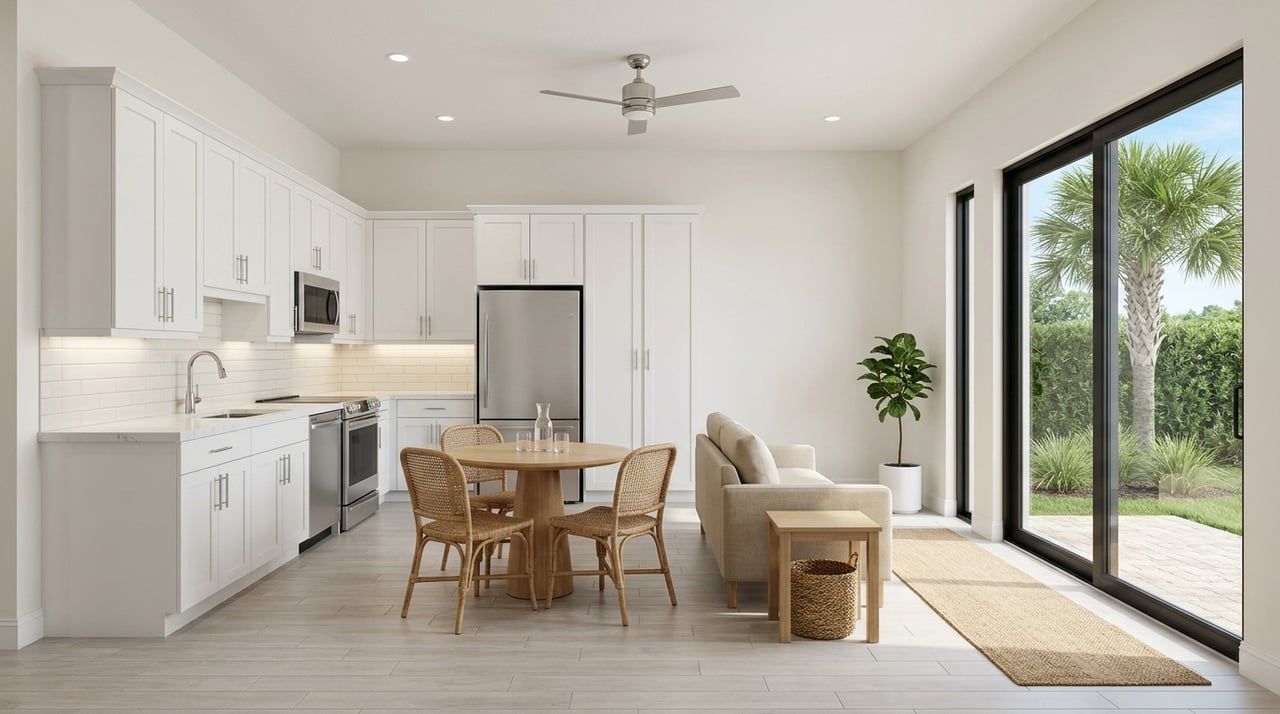
If your current home feels like more work than it used to, you are not alone. Downsizing in Niceville can be a smart way to simplify your day-to-day life without giving up the things that make this area easy to enjoy. This guide will help you think through what to prioritize, how to time the move, and which local details matter most before you make a change. Let’s dive in.
Niceville offers a practical mix of stability, convenience, and livability. Census QuickFacts estimates the city’s 2025 population at 17,948, with 18.2% of residents age 65 or older and 73.6% of housing units owner-occupied. That kind of profile often appeals to homeowners who want a place that feels established rather than transitional.
Budget also matters when you downsize. In Niceville, the median value of owner-occupied homes is $423,500, and the median household income is $102,409. Those numbers are a reminder that a smaller home does not always mean a lower-cost lifestyle unless you look carefully at total monthly expenses.
Lifestyle is part of the equation too. The city highlights amenities like the public library, senior center, community center, parks, and the Turkey Creek Nature Trail. Niceville also maintains about 150 acres of parks and rights of way, which gives you more ways to stay active and connected close to home.
Downsizing is not only about cutting square footage. For many homeowners, it means reducing upkeep, simplifying storage, lowering monthly carrying costs, or finding a home that fits future needs more comfortably. The right move depends on what you want your next chapter to feel like.
Start by asking yourself a few practical questions. Do you want fewer rooms to clean, a layout with less daily stair use, or a yard that takes less effort to maintain? Are you trying to free up equity, stay closer to local amenities, or make your home easier to navigate over time?
When you get clear on your goals, your home search gets easier. Instead of chasing a vague idea of “smaller,” you can focus on homes that support the way you actually want to live.
A smaller home is not automatically a better fit. What matters more is whether the layout supports comfort, safety, and easy daily living. A practical downsizing plan should put function ahead of square footage.
A HomeFit-style approach can help you compare homes more clearly. Look for a floor plan that reduces the need to use stairs every day, keeps walkways and living areas easy to move through, and offers bathrooms and gathering spaces that feel simple to use. These features can make a big difference now and later.
Storage should be thoughtful, not excessive. You may not need a large house, but you still need places for the items you use regularly. The goal is a home where everything has a purpose and upkeep feels manageable.
One of the biggest downsizing mistakes is focusing only on the purchase price. Your monthly budget may also include property taxes, homeowners insurance, and HOA dues. A home that looks smaller on paper may still cost more to carry than expected.
That is why it helps to compare the full cost of ownership before you fall in love with a property. If you are planning for retirement or simply want a lighter lifestyle, realistic monthly expenses matter just as much as layout and location.
In Niceville, this is especially important if you are comparing different home types or looking at homes with special features, community fees, or higher insurance costs. The best fit is the one that supports both your lifestyle and your budget.
Where the home sits can shape daily life almost as much as the home itself. In Niceville, location should be part of your downsizing checklist from the start. That means thinking beyond the address and looking at how you will actually move through your week.
You may want easier access to the library, Senior Center, parks, community spaces, or Turkey Creek Nature Trail. The Niceville Senior Center welcomes adults 55 and older, and free membership is available to city residents. Turkey Creek also includes a one-mile boardwalk and offers free rides for senior citizens and people with physical disabilities.
These details matter because convenience adds value after the move. A well-located home can make it easier to stay active, enjoy local amenities, and keep your routine simple.
In Niceville, flood and storm review should happen early in the process. The city points residents to an interactive flood map and National Hurricane Center resources, which is a strong reminder that not every property carries the same risk profile.
If a home is near the bay or in a mapped flood area, that can affect both your monthly costs and your closing timeline. Homes in a Special Flood Hazard Area with a government-backed mortgage generally require flood insurance. A new flood policy usually becomes effective 30 days after purchase, so this is not something to leave until the last week.
A flood-zone check early in your search can help you avoid surprises. It also gives you more time to understand insurance needs before you commit.
This is one of the biggest questions for downsizers, and the answer usually comes down to your finances. If you need proceeds from your current home to buy the next one, selling first may be the more practical path. If you have flexibility, buying first may reduce the stress of finding temporary housing.
Either way, timing matters. Closing is the final stage of the homebuying process, and the closing company can vary by region. Buyers can shop for the closing company of their choice, which makes it important to plan your lender, title company, and movers early.
The smoother your coordination, the more options you tend to have. Some downsizers benefit from leaving room for a gap between the sale and purchase, especially if they want time to move carefully instead of all at once.
If you are moving from one Florida homestead to another, tax planning belongs on your checklist. In Okaloosa County, the homestead exemption itself cannot be transferred, but the Save Our Homes assessment difference may be ported to a new Florida homestead within three years.
That can have a meaningful effect on your long-term costs, so it is worth discussing early. The Florida Department of Revenue confirms that portability requires filing the transfer form with your new homestead application.
You should also pay close attention to deadlines. Okaloosa County lists March 1 as the deadline for new exemption applications, and the county notes an additional exemption for qualified owners age 65 and older. Missing that date can create an avoidable setback.
Many downsizers underestimate how much coordination a move requires. You are not just buying a home. You are often preparing one property for sale, reviewing closing documents, choosing service providers, and planning a physical move at the same time.
CFPB guidance says the Closing Disclosure must be delivered three business days before closing. That window gives you time to review the numbers carefully rather than rushing through final paperwork.
A little breathing room can lower stress in a big way. When your lender, title company, movers, and home sale plan are aligned early, the transition usually feels much more manageable.
A successful downsize usually comes from a simple, honest plan. Start with how you want to live, narrow your must-haves, and look closely at the true monthly cost of each option. Then build your timeline around your finances, tax details, and closing logistics.
In Niceville, local lifestyle details are part of what makes the move attractive. Access to amenities like the library, Senior Center, parks, and Turkey Creek can support the lighter, easier routine many homeowners want after a move.
If you want a home that feels simpler, more comfortable, and easier to maintain, the best next step is a thoughtful search, not a rushed one. That is where local guidance can make the process much clearer.
If you are planning your next move in Niceville and want clear, local guidance from start to finish, Paige A Brown can help you sort through timing, home fit, and the details that matter most.
Browse active listings in the area or contact us for market listings.
Have an expert help you find out what your home is really worth.
If you're looking for a positive, helpful partner who is ready to provide you with exceptional service, let's talk today!