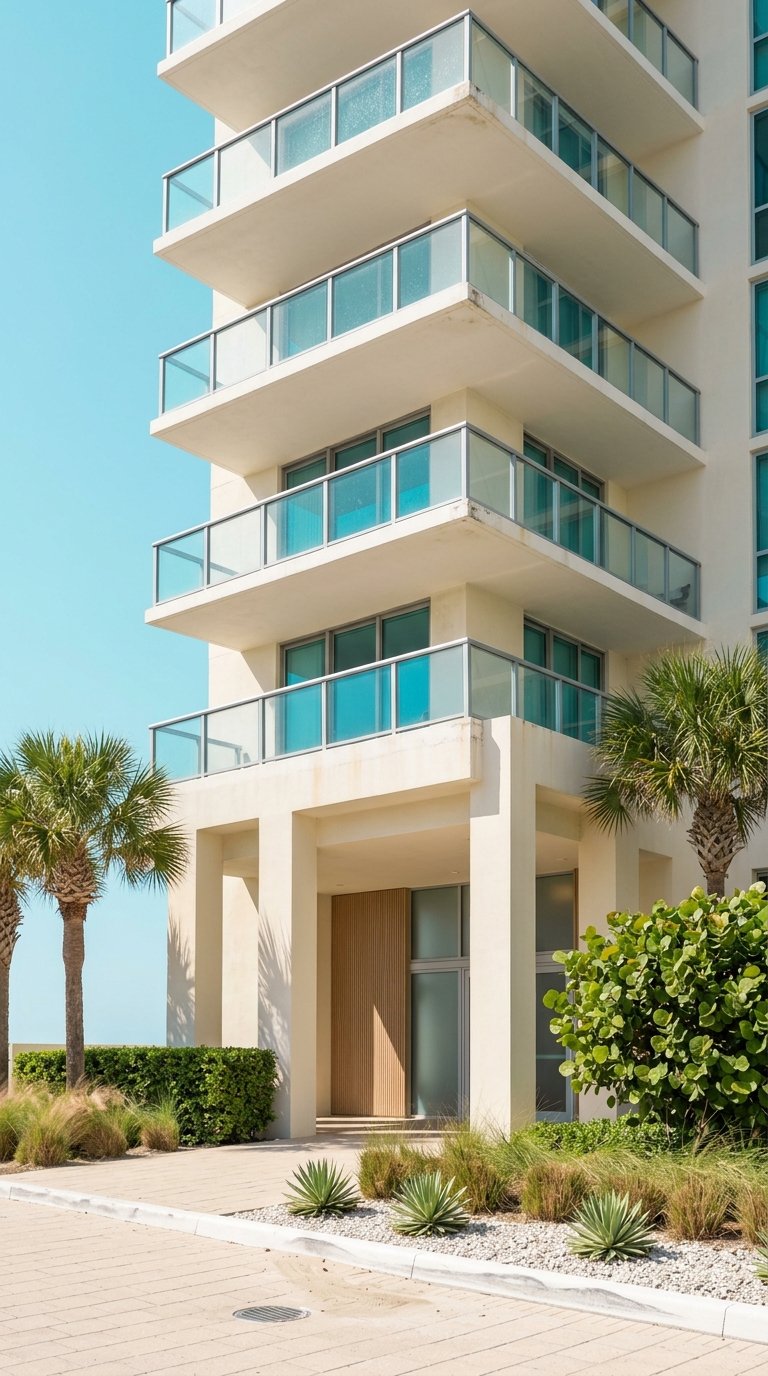
Choosing a Panama City Beach condo is not just about the view or the floor plan. In many cases, the bigger decision is the building itself. If you are buying for full-time living, a second home, or rental income, the right building can shape your costs, flexibility, and peace of mind for years to come. Let’s dive in.
In Panama City Beach, two condo units can look similar on paper but come with very different ownership experiences. Building age, maintenance responsibilities, inspection status, and association finances can all affect your monthly costs and future risk.
That is especially true for coastal buildings and for condos that are three stories or higher. Florida’s condo laws place added focus on milestone inspections and structural reserve planning for many of these properties, so it is smart to evaluate the building before you get attached to a specific unit.
Before you compare amenities or views, get clear on how you plan to use the condo. Your answer helps narrow the right building and helps you avoid wasting time on properties that do not fit your goals.
If the condo will be your full-time home, ask early about timing for homestead exemption. In Bay County, January 1 is the key date used to determine residency or ownership requirements, and March 1 is the filing deadline for homestead applications.
That means your closing date and occupancy plans matter. If homestead status is important to you, it is worth confirming those details before you close.
If you want a lock-and-leave beach property, look closely at the condo documents. Florida law makes the association responsible for common-element maintenance unless the declaration assigns certain limited common elements to unit owners.
That can make a big difference in your day-to-day ownership experience. In one building, the association may handle more exterior upkeep. In another, you may be responsible for items like windows, doors, or hurricane protection components.
If rental income is part of your plan, do not assume every condo works the same way. In Panama City Beach, short-term rental rules depend heavily on whether the property is inside Panama City Beach city limits or in unincorporated Bay County.
Within city limits, each vacation rental must have a valid Vacation Rental Certificate. Returning applicants must re-register and be reinspected annually, and the city requires proof of a DBPR license, Bay County tourist tax registration, and a local business tax receipt.
In unincorporated Bay County, a different county ordinance applies. High-rise condominium units and apartment complexes are currently exempt from that county short-term rental ordinance, which is another reason location matters. Before you count on rental income, verify the property’s jurisdiction and confirm the association’s recorded documents allow your intended use.
Along the Gulf Coast, building condition matters just as much as amenities. Salt air, wind exposure, and age can all increase maintenance needs over time.
Florida’s milestone inspection rules are a major factor for condo buyers. Buildings that are three habitable stories or more must have milestone inspections by the end of the year they turn 30, and then every 10 years after that.
Local enforcement agencies may require the first inspection at 25 years if salt-water proximity justifies it. For a Gulf-front or near-Gulf tower, that can create more urgency than for a similar building farther inland.
Low-rise buildings under three stories are outside these statewide milestone and structural integrity reserve study mandates. That does not mean they are maintenance-free, but it does mean the legal requirements differ.
One of the biggest condo surprises is learning that not every building handles maintenance the same way. The condo declaration and related documents spell out who is responsible for which components.
In practical terms, you want to know whether the association or the unit owner handles items such as:
Florida law also requires associations to adopt hurricane-protection specifications for each building in a residential or mixed-use condominium. That matters because the cost to install, maintain, repair, replace, or remove hurricane protection can vary by building.
When two condos appear similar, these details can be the difference between predictable ownership costs and expensive surprises.
A well-run condo association should have organized records that help you understand the building’s condition and management. Florida requires associations to keep key records, including the declaration, bylaws, rules, insurance policies, management contracts, accounting records, reserve studies, inspection reports, and building permits.
These records can help you spot patterns. You may see evidence of recurring repairs, large projects already completed, or signs that important work has been delayed.
This is one of the best ways to move beyond the sales brochure. Amenities are nice, but the records often tell the real story.
A beautiful pool deck does not tell you whether the building is financially healthy. Before you fall in love with the extras, review the association’s financial picture.
Florida requires associations to prepare annual financial reports, with the level of reporting based on revenue. For buyers, those reports can serve as a screening tool for reserve pressure, special assessment risk, and overall management quality.
You do not need to be an accountant to ask smart questions. Focus on whether the association appears to be planning ahead, keeping up with required reporting, and funding major needs in a realistic way.
For older condo buildings, the structural integrity reserve study is especially important. Florida requires the study to address major components including the roof, structure, fireproofing and fire protection systems, plumbing, electrical systems, waterproofing and exterior painting, and windows and exterior doors, along with other qualifying items that affect structural integrity.
The study must estimate remaining useful life, replacement cost or deferred maintenance expense, and a reserve funding plan. Associations controlled by unit owners on or before July 1, 2022, were required to complete the study by December 31, 2025, with a December 31, 2026 outer limit when completed alongside a milestone inspection.
For you as a buyer, this study helps answer a simple question: is the building planning for future repairs, or are owners likely to face catch-up costs later?
Florida classifies condominiums as residential property for property-and-casualty insurance risk classification. Even so, insurance costs can still vary from building to building.
That is why it helps to compare at the building level, not just the unit level. A newer or better-maintained building may present a different cost picture than an older coastal tower with larger repair exposure.
If you are buying a Panama City Beach condo, create a document checklist early. Florida requires buyers to receive many important condo documents before closing, and these records are essential for informed decision-making.
Your checklist should include:
Florida law also provides disclosure rules tied to these documents, and buyers may have statutory cancellation rights if required documents are not delivered or the contract does not conform to the disclosure requirements. That makes document review more than a formality. It is an important layer of protection.
If you are deciding between multiple buildings, it helps to compare them side by side using the same criteria. A simple scorecard can keep you focused on long-term fit instead of just first impressions.
As you narrow your options, ask:
This kind of checklist can save you from choosing a building that looks perfect at first but creates stress later.
Condo purchases in Panama City Beach come with details that are easy to miss if you are focused only on the unit. Jurisdiction, rental rules, reserve studies, milestone inspections, and maintenance responsibility can all affect whether a property truly fits your goals.
That is why many buyers benefit from working with a Florida-licensed real estate professional who understands the local market and the document trail behind each building. Depending on the property, it may also make sense to involve a condo attorney, lender, CPA, or licensed engineer or architect when the building’s condition or financial setup needs a closer look.
If you want help comparing buildings, reviewing the right questions, and finding a condo that fits the way you plan to use it, Paige A Brown is here to help you make a confident move.
Browse active listings in the area or contact us for market listings.
Have an expert help you find out what your home is really worth.
If you're looking for a positive, helpful partner who is ready to provide you with exceptional service, let's talk today!