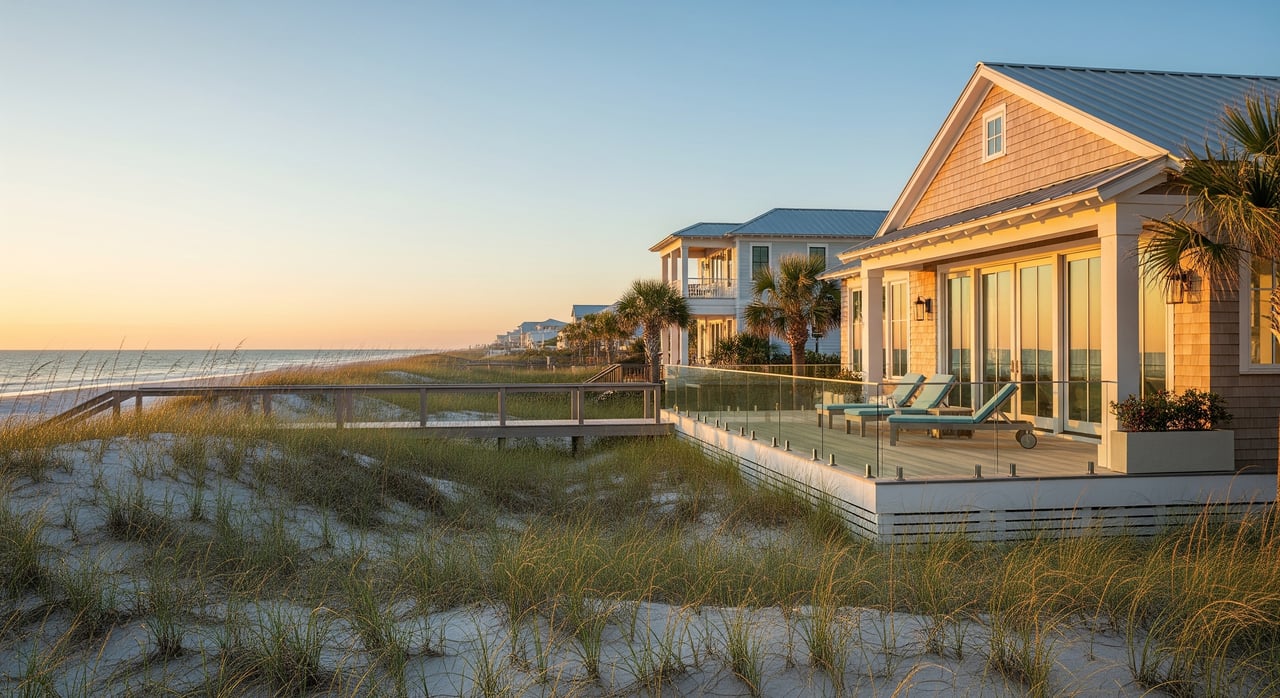
Choosing between Rosemary Beach, Seaside, WaterColor, Seagrove, Seacrest, and Alys Beach can feel like choosing between look‑alike postcards. They may seem similar online, but each 30A community has its own design rules, beach access patterns, rental profile, and price band. If you’re buying from out of state or planning an investment, these details shape your daily experience and your returns. In this guide, you’ll learn how each beach town differs and how to match your goals to the right micro‑market. Let’s dive in.
Quick orientation: where rules come from
Most of 30A’s well‑known communities sit in unincorporated Walton County, not in Fort Walton Beach or an incorporated city. That means county rules, permits, and taxes apply, and then each community’s HOA or CC&Rs layer on their own standards. Short‑term rental permissions often come from both Walton County and the individual HOA. Always confirm which jurisdiction and HOA documents govern the exact parcel you’re considering.
Who each town fits
Design‑forward village life: Rosemary and Alys
If you love curated streetscapes and uniform architecture, Rosemary Beach and Alys Beach lead the pack. Both emphasize walkability and high‑quality materials, with strict architectural review boards that preserve aesthetics. You’ll see premium pricing, premium rental rates, and stricter limits on exterior changes and operations.
Iconic cottage vibe: Seaside
Seaside is the poster child for New Urbanist beach towns. Think pastel cottages, picket fences, and a lively town center. It has strong rental demand and recognizable branding, which can help resale, along with clear community standards for maintenance and design.
Resort amenities and space: WaterColor
WaterColor blends coastal architecture with resort‑level amenities. You’ll find larger single‑family homes, nature trails, pools, and a village core. Expect higher HOA or amenity fees, with strong seasonal rental performance among vacationers who want convenience and services.
Flexible entry points: Seagrove and Seacrest
Seagrove and Seacrest offer a wider range of product types and price points. Governance varies by subdivision, so rules and rental policies can differ from one street to the next. Investors often target these areas for relatively lower entry prices compared with the luxury tier.
Town‑by‑town breakdown
Rosemary Beach
- Architecture and character: A highly walkable New Urbanist village with narrow streets, porches, and a consistent coastal palette. The aesthetic is cohesive and intentional.
- HOA and design control: Strict ARB review and strong HOA enforcement on exteriors, colors, landscaping, and maintenance.
- Beach access and amenities: Boardwalks and dune crossovers for residents and guests, plus a pedestrian‑friendly village core with shops and dining. Parking and access specifics vary by property.
- Property types and price tiers: Condos, townhomes, and single‑family cottages. Pricing is premium across the board, from high six figures for smaller condos to multiple millions for larger homes (approximate 2023–2024 ranges; verify current MLS).
- Rental profile and investor notes: High demand and premium ADRs due to amenities and branding. HOAs typically allow STRs with rules on occupancy, registration, and management. Professional property management is common.
- Regulatory and risk notes: Strict deed and design rules limit modifications. As with any coastal area, evaluate flood and wind insurance.
Seaside
- Architecture and character: Iconic cottage community with porches, pedestrian orientation, and a recognizable pastel streetscape.
- HOA and design control: Community association with design review and common‑area maintenance; some sub‑associations for specific pockets.
- Beach access and amenities: Multiple pedestrian pathways to the beach, greens, and an amphitheater near the town center.
- Property types and price tiers: Predominantly cottages and townhomes, with some larger gulf‑front homes. Pricing runs from upper six figures to low millions in typical cases (approximate 2023–2024; confirm current MLS).
- Rental profile and investor notes: Reliable rental demand for groups seeking the cottage experience. Rates and occupancy flex by size and proximity to the beach.
- Regulatory and risk notes: Strong brand recognition supports liquidity, along with high expectations for upkeep and appearance.
WaterColor
- Architecture and character: Southern coastal style with resort amenities, green space, and nature trails.
- HOA and design control: Extensive covenants and ARB oversight. Expect notable HOA or CDD fees that fund amenities.
- Beach access and amenities: Boardwalks, pools, fitness, parks, and onsite resort services near a village core.
- Property types and price tiers: Heavily single‑family with some condos and townhomes. Many homes exceed $1M, with premium pricing for beach‑adjacent locations (approximate 2023–2024; verify MLS).
- Rental profile and investor notes: Strong seasonal demand. Factor HOA and amenity fees into net yield.
- Regulatory and risk notes: Fees and standards are material to ROI; review all governing documents before you model returns.
Seagrove
- Architecture and character: A mix of classic cottages and contemporary coastal homes, with a looser identity than the master‑planned villages.
- HOA and design control: Varies by subdivision; not all areas share the same rules or design controls.
- Beach access and amenities: Multiple public and deeded access points, plus scattered retail and dining pockets.
- Property types and price tiers: Condos, cottages, and single‑family homes. Prices range from upper six figures to low millions depending on proximity to the beach (approximate 2023–2024; verify MLS).
- Rental profile and investor notes: Solid STR demand near the beach, with relatively lower entry costs than the top luxury enclaves in some cases. Always confirm STR allowances for the specific subdivision.
- Regulatory and risk notes: Due diligence is parcel‑specific due to variable governance.
Seacrest (including Seacrest Beach)
- Architecture and character: Planned neighborhoods with coastal styles and somewhat higher density in certain pockets.
- HOA and design control: Typical developer HOA with ARB oversight and common‑area maintenance.
- Beach access and amenities: Community pools, parks, and designated access points. Access proximity varies by sub‑neighborhood.
- Property types and price tiers: Mix of condos and single‑family homes, generally in the upper six figures to low millions depending on location (approximate 2023–2024; verify MLS).
- Rental profile and investor notes: Popular for vacation rentals. Review parking and occupancy limits in HOA documents.
- Regulatory and risk notes: Density can affect insurance and maintenance costs; compare dues and coverage across communities.
Alys Beach
- Architecture and character: A striking, white‑stucco, courtyard‑oriented aesthetic with a contemporary Mediterranean feel and highly curated streetscapes.
- HOA and design control: Very strict ARB standards and hands‑on community oversight to maintain uniform quality.
- Beach access and amenities: Boardwalks to the beach, pools, clubhouses, and lushly detailed public realms that prioritize pedestrians.
- Property types and price tiers: Predominantly luxury single‑family homes and high‑end cottages. Many offerings start well into seven figures, with frequent sales in the multi‑million range (approximate 2023–2024; verify MLS).
- Rental profile and investor notes: Top‑tier ADRs and strong luxury demand. High purchase prices and HOA standards can compress yield for pure investors.
- Regulatory and risk notes: Renovation and rental operations must align with strict ARB and HOA requirements.
What drives ROI on 30A
- Short‑term rental rules and taxes: Walton County requires transient rental registration and collects tourist development taxes. Individual HOAs may set minimum stays, occupancy caps, and management requirements. Confirm both county and HOA obligations before you buy.
- Seasonality: Revenue concentrates in late spring through early fall, with shoulder seasons in spring and fall and a quieter winter period. Larger homes can attract groups in more months of the year.
- Insurance and flood risk: Many parcels fall within FEMA flood zones, and coastal wind coverage can be costly. Get quotes for homeowner, windstorm, and flood insurance tied to the exact address.
- HOA and amenity fees: Dues, special assessments, and any CDD fees materially affect cash flow. Compare fees and what they include across communities.
- Beach access details: Deeded access, boardwalk locations, parking capacity, and walk time to the sand shape guest reviews and rental rates.
- Resale liquidity: Brand‑recognized enclaves like Rosemary, Seaside, and Alys often enjoy stronger buyer recognition, which can support resale.
Your decision checklist
- Define your must‑have lifestyle: design aesthetic, walkability, amenities, or privacy.
- Clarify intended use: primary home, second home, or short‑term rental.
- Set budget inclusive of HOA/CDD dues, insurance, utilities, and management.
- Assess your tolerance for HOA/ARB restrictions on design and operations.
- Check flood zone, elevation, and recent insurance quotes for the exact property.
- Confirm STR permissions, minimum stays, occupancy, and parking rules for the parcel.
- Verify jurisdiction, taxes, and permitting requirements for Walton County.
- Review current MLS comps, sales velocity, and rental analytics before writing an offer.
Next steps and local verification
Before you commit, pull the HOA and ARB documents for the specific subdivision and read the rental rules closely. Check the property’s FEMA flood zone and obtain insurance quotes tied to the address. Review MLS comparables and the Walton County Property Appraiser’s records for sales history and assessed values. For investors, analyze short‑term rental data for average daily rate, occupancy, and seasonality through a reputable STR analytics provider. A clear picture of rules, costs, and demand will help you buy the right 30A address with confidence.
Ready to compare streets, fees, and beach access on a few favorite neighborhoods? Let’s take this from research to real options. Reach out to Paige A Brown for a clear, no‑pressure consult and a tailored 30A shortlist.
FAQs
Are 30A beach towns part of Fort Walton Beach or Walton County?
- Most 30A communities, including Rosemary, Seaside, WaterColor, Seagrove, Seacrest, and Alys Beach, sit in unincorporated Walton County with county rules and HOA layers.
Can you operate short‑term rentals in 30A communities?
- Many neighborhoods allow STRs, but rules vary; you must follow Walton County registration and any HOA restrictions on stays, occupancy, parking, and management.
How do HOA and ARB rules affect renovations on 30A?
- Architectural review boards and covenants can limit exterior changes and require approvals, timelines, and specific materials to preserve each community’s design.
What is the typical rental seasonality on 30A for investors?
- Peak demand runs late spring through early fall, with strong spring break and summer weeks; shoulder seasons fill with shorter stays, and winters are generally quieter.
How do flood zones and insurance impact buying near the beach?
- Many properties fall in FEMA flood zones, and coastal wind coverage can be expensive; lenders often require flood insurance, so get property‑specific quotes early.
Which 30A towns offer wider entry‑level options for buyers?
- Seagrove and Seacrest often provide a broader mix of condos and homes across price points, though prices still vary by proximity to the beach and community rules.
What should I verify before offering on a 30A property?
- Confirm jurisdiction, HOA/ARB documents, STR allowances, fees and assessments, flood zone, insurance quotes, recent MLS comps, beach access details, and parking capacity.